


The Tailor-Made Guide to things to do in Vichy France

Author: Barry Pickard
Hi, I'm Barry, the owner of Tailor-Made Itineraries and I have been designing bespoke self-guided tours for adventurous and curious travellers since 2015. I am a history graduate with a passion for travel.
I created this blog to inspire curious travellers and share the experiences behind my bespoke itinerary designs — giving you a flavour of what is possible, and the confidence to reach out and make it happen.
Can you actually taste a piece of French history? In Vichy, you can — sip the warm, faintly metallic mineral water from a fountain, and you’re drinking from springs the Romans once queued for. That’s my short answer to the question I get asked most: what are the best things to do in Vichy, France? Sip the thermal waters, wander the pastel Art Nouveau streets, and walk a town that once served as the capital of unoccupied France — and I’ll walk you through exactly how, tip by tip, based on the days I actually spent there myself.

I’m Barry, and since 2015 I’ve been designing bespoke, self-guided itineraries for curious, independent travellers through Tailor-Made Itineraries. I’m a history graduate with a genuine soft spot for the history of Vichy France, so a spa town that doubled as a wartime capital was never going to leave me indifferent. I went to see it all for myself: pastel façades catching the late afternoon light, the hiss and gurgle of carbonated spring water filling glass tumblers under the vast glasshouse of the Hall des Sources, the scrape of chairs on stone as locals settle in at pavement cafés along the Allier.

If you’re searching for genuine, first-hand things to do in Vichy France — real tips from someone who’s actually walked every street of it, not a rehashed list — you’ve landed exactly where you need to be. Let’s get into it.

Contents
Don’t forget that Tailor-Made Itineraries specialises in creating expert, bespoke self-guided tours. If you'd like to explore Vichy as part of a professionally crafted itinerary, get in touch — we'd love to design something built around you.

Disclosure: This post contains affiliate links. Regardless of this, please be advised that all opinions expressed in this blog post are genuine and authentically my own.
History of Vichy France
Set along the gentle curve of the Allier River in central France, Vichy is a city shaped by water, elegance, and centuries of spa culture. Its mineral springs have been celebrated since Roman times, and the town’s reputation grew steadily through the 17th and 18th centuries before Napoleon III transformed it into France’s premier spa destination. Its immaculate parks, airy promenades, and Belle Époque architecture reflect this golden age, while its status as part of the UNESCO-listed Great Spa Towns of Europe highlights its enduring cultural significance. The city’s geography is equally appealing: flat, walkable streets, leafy riverbanks, and a compact centre that makes exploring effortless.

Visiting Vichy is a blend of serenity and discovery. The city’s pastel façades, ornate pavilions, and grand thermal establishments create an atmosphere that feels both refined and relaxed. Its history is complex—most notably its role as the administrative centre of the Vichy government during World War II, when it briefly became the capital of unoccupied France—but modern Vichy embraces transparency, education, and remembrance through museums and heritage trails. Whether you come for architecture, culture, or spa traditions, Vichy offers a uniquely balanced experience: part resort town, part open-air museum, and part historical crossroads.

Things to do in Vichy France
Vichy Opera House
The Vichy Opera House is one of France’s most exquisite performance venues and the only opera house in the country decorated entirely in the Art Nouveau style. Its softly curved lines, floral motifs, and harmony of ivory and gold create an atmosphere that feels both intimate and opulent. The auditorium has a capacity of 1,482 seats, making it historically the second‑largest opera house in France after the Palais Garnier in Paris, which seats 1,979 spectators. This scale is remarkable for a spa town, and it reflects Vichy’s status during the Belle Époque as the “summer capital of music.” Built between 1901 and 1903, the opera house forms part of the Palais des Congrès complex, seamlessly connected to the former casino commissioned by Napoleon III. Its dome is adorned with portraits of iconic performers such as Sarah Bernhardt and Réjane, while the ironwork and sculptural details showcase the craftsmanship of artists like Émile Robert and Pierre Seguin. Whether you attend a performance or join a guided tour, the Vichy Opera House offers a rare chance to step inside one of France’s most beautiful and historically significant theatres.

Tailor-Made Top Tip: Check the programme ahead of time—guided tours are often available and are well worth booking.

Vichy Opera House Vichy Opera House Vichy Opera House Vichy Opera House Vichy Opera House Vichy Opera House Vichy Opera House Vichy Opera House Vichy Opera House Vichy Opera House Vichy Opera House Vichy Opera House Vichy Opera House
The Hall des Sources
Here’s the best part: The Hall des Sources is the beating heart of Vichy’s spa heritage, a vast glass pavilion where visitors can sample the city’s famous mineral waters. The hall houses several springs, each with its own mineral composition and therapeutic reputation. Walking through the airy space feels almost ceremonial: locals and visitors alike stroll from fountain to fountain, filling bottles and sipping the naturally carbonated water that has drawn people here for centuries. This Vichy thermal spa water is so prized that bottles of it are shipped across France and beyond. The architecture is striking too—light-filled, spacious, and designed to showcase the springs as the city’s most precious resource. It’s a place where Vichy’s past and present meet, offering a simple yet memorable ritual that connects you directly to the city’s identity.

Tailor-Made Top Tip: Bring your own bottle to fill up with the mineral water.
The Hall des Sources The Hall des Sources The Hall des Sources The Hall des Sources The Hall des Sources The Hall des Sources
Source des Célestins
Perhaps the most famous of Vichy’s springs, the Source des Célestins emerges from beneath a rocky grotto framed by elegant stonework. Its water is naturally carbonated, rich in minerals, and bottled for worldwide distribution—so tasting it at the source feels like a special privilege. The spring’s name comes from a nearby convent that once stood here, and its reputation for digestive and metabolic benefits has been noted since the 18th century. The surrounding parkland adds to the charm: leafy paths, shaded benches, and views of the Allier River make this a peaceful stop during a day of exploring. It’s one of the most atmospheric places to experience Vichy’s spa culture in its purest form.

Tailor-Made Top Tip: Visit early in the morning for a quieter, more serene experience.
Source des Célestins Source des Célestins Source des Célestins Source des Célestins Source des Célestins Source des Célestins
If you enjoy this kind of curated travel insight, you can subscribe to receive future guides and inspiration.
Musée de l’Opéra de Vichy
The Musée de l’Opéra de Vichy offers a fascinating look behind the scenes of the city’s celebrated opera house. The museum’s collection includes costumes, posters, photographs, and archival documents that trace more than a century of performances. It’s a compact but richly curated space, ideal for anyone interested in theatre history or the evolution of French cultural life. Exhibits highlight Vichy’s role as a fashionable artistic centre during the Belle Époque and early 20th century, when the city attracted composers, singers, and high-society audiences. Visiting the museum adds depth to any tour of the opera house, revealing the personalities and productions that shaped its legacy.
Musée de l’Opéra de Vichy Musée de l’Opéra de Vichy Musée de l’Opéra de Vichy Musée de l’Opéra de Vichy
Tailor-Made Top Tip: The museum is best enjoyed when paired with other cultural sites nearby, though the ideal sequencing depends on your wider plans for the day.
Centre Culturel de Vichy
During my visit, the Centre Culturel de Vichy hosted the exhibition “Francis Chigot à Vichy – Quand Maître Verrier et Architectes Faisaient Vibrer la Lumière”, a beautifully curated showcase of the master glassmaker’s work. Chigot was renowned for his stained-glass creations, which blended colour, light, and architectural harmony. The exhibition explored his collaborations with architects, displaying panels, sketches, and restored glasswork that demonstrated how his designs transformed interiors into luminous, atmospheric spaces. Seeing these pieces up close reveals the craftsmanship behind early 20th-century decorative arts and highlights Vichy’s role as a centre of artistic innovation. I also had the chance to view the centre’s own Chigot stained glass masterpiece. The cultural centre itself is an excellent venue, frequently hosting exhibitions that deepen the city’s artistic identity.

Tailor-Made Top Tip: Check current exhibitions before visiting—Vichy’s cultural programme changes frequently and is often excellent.
Centre Culturel de Vichy Centre Culturel de Vichy Centre Culturel de Vichy Centre Culturel de Vichy Centre Culturel de Vichy Centre Culturel de Vichy Centre Culturel de Vichy Centre Culturel de Vichy Centre Culturel de Vichy Centre Culturel de Vichy
Église Saint‑Blaise de Vichy
But that’s not all: Église Saint‑Blaise is one of Vichy’s most distinctive landmarks, blending centuries of history with striking 20th‑century innovation. The original church dates back to the 17th century, but between 1925 and 1931 a dramatic Art Deco extension — Notre‑Dame‑des‑Malades — was added to accommodate the city’s growing spa population. This new structure was built using reinforced concrete, a modern material at the time, making the church one of France’s earliest large‑scale Art Deco religious buildings constructed in concrete. Its bold geometric lines, luminous mosaics by the Mauméjean brothers, and vast copper‑clad dome give it a unique architectural presence. The tower, completed in 1956, rises 67 metres and required 400 m³ of concrete and 80 tonnes of steel, underscoring the ambitious engineering behind the project. Inside, the interplay of stained glass, onyx, marble, and mosaic creates a serene yet modern atmosphere that sets it apart from traditional French churches. It’s a natural complement to nearby architectural highlights, though fitting everything into a single day can be trickier than expected. Visiting Église Saint‑Blaise offers a fascinating look at how Vichy embraced contemporary design during its spa‑era golden age.

Tailor‑Made Top Tip: Visit around midday to see the stained glass and mosaics illuminated at their best.
Église Saint‑Blaise de Vichy Église Saint‑Blaise de Vichy Église Saint‑Blaise de Vichy Église Saint‑Blaise de Vichy Église Saint‑Blaise de Vichy Église Saint‑Blaise de Vichy Église Saint‑Blaise de Vichy Église Saint‑Blaise de Vichy Église Saint‑Blaise de Vichy
Musée Surréaliste Boucheix
The Musée Surréaliste Boucheix is dedicated to the surrealist works of Pierre Boucheix, a Vichy-born artist whose dreamlike paintings and sculptures explore imagination, symbolism, and fluid forms. The collection is bold, colourful, and often whimsical, offering a completely different artistic experience from Vichy’s classical and Belle Époque heritage. Boucheix’s surrealism is accessible and visually striking, making the museum enjoyable even for visitors unfamiliar with the movement. Sculptures spill into the outdoor garden, creating a playful environment where art feels alive and interactive. It’s a must-visit for anyone seeking something unexpected and contemporary during their time in Vichy.
Musée Surréaliste Boucheix Musée Surréaliste Boucheix Musée Surréaliste Boucheix Musée Surréaliste Boucheix Musée Surréaliste Boucheix
Musée des Arts d’Afrique et d’Asie
Housed in a former villa, the Musée des Arts d’Afrique et d’Asie showcases an impressive collection of African and Asian art gathered by missionaries and travellers during the 19th and 20th centuries. The exhibits include masks, textiles, religious objects, carvings, and ceremonial items that offer insight into diverse cultures across two continents. The museum’s intimate layout encourages slow exploration, allowing visitors to appreciate the craftsmanship and cultural significance of each piece. It’s a surprising and enriching stop in Vichy, demonstrating the city’s global connections and its role in preserving international heritage.
Musée des Arts d’Afrique et d’Asie Musée des Arts d’Afrique et d’Asie Musée des Arts d’Afrique et d’Asie Musée des Arts d’Afrique et d’Asie Musée des Arts d’Afrique et d’Asie Musée des Arts d’Afrique et d’Asie Musée des Arts d’Afrique et d’Asie Musée des Arts d’Afrique et d’Asie
Église Saint‑Louis
Église Saint‑Louis is one of Vichy’s most elegant historic churches, offering a serene counterpoint to the city’s more modern Art Deco landmarks. Built in the mid‑19th century and completed in 1865, it reflects the architectural tastes of the Second Empire, with clean lines, soft stonework, and a harmonious interior that feels calm and contemplative. The church is dedicated to Saint Louis, King of France, and its design mirrors the period when Vichy was rising as a fashionable spa destination under Napoleon III.

Tailor‑Made Top Tip: Step inside during the late afternoon — the stained‑glass windows glow beautifully as the light softens, creating a warm, atmospheric pause in your day.
Église Saint‑Louis Église Saint‑Louis Église Saint‑Louis Église Saint‑Louis Église Saint‑Louis
Discovery Trail – “Vichy 1939–1945”
This self-guided trail is one of the most important ways to understand Vichy’s wartime history. The project maps key locations associated with the Vichy government, resistance activities, and daily life during the occupation. Walking the trail provides a thoughtful, educational experience that balances remembrance with context, helping visitors engage with a difficult chapter of French history in a respectful way. Interpretive panels explain the significance of each site, and the route is designed to be accessible and easy to follow. It’s a powerful complement to Vichy’s cultural attractions, grounding the city’s beauty in its full historical reality.
Discovery Trail – “Vichy 1939–1945” Discovery Trail – “Vichy 1939–1945” Discovery Trail – “Vichy 1939–1945” Discovery Trail – “Vichy 1939–1945”
Tailor-Made Top Tip: Check out the map provided by the project at Discovery Trail – Vichy 1939–1945 before you begin.
Architecture – Belle Époque & Art Nouveau
Vichy is an open-air gallery of Belle Époque and Art Nouveau architecture, with elegant villas, ornate pavilions, and grand thermal establishments lining its boulevards. Many buildings were commissioned during Napoleon III’s transformation of the city, resulting in a harmonious blend of decorative façades, wrought-iron balconies, and pastel colours. Art Nouveau flourishes appear in curved lines, floral motifs, and stained-glass details, especially around the opera house and spa district. Strolling through Vichy is a visual delight—each street reveals another architectural gem, from chalets inspired by Swiss resorts to palatial bathhouses that reflect the height of 19th-century luxury. Many of these buildings cluster together, but choosing the right route makes a noticeable difference to how much you can comfortably see.
Congress Palace - Vichy Opera Congress Palace - Vichy Opera Congress Palace - Vichy Opera
Architecture – Belle Époque & Art Nouveau Architecture – Belle Époque & Art Nouveau Architecture – Belle Époque & Art Nouveau Architecture – Belle Époque & Art Nouveau Architecture – Belle Époque & Art Nouveau Architecture – Belle Époque & Art Nouveau Architecture – Belle Époque & Art Nouveau Architecture – Belle Époque & Art Nouveau Architecture – Belle Époque & Art Nouveau Architecture – Belle Époque & Art Nouveau Architecture – Belle Époque & Art Nouveau Architecture – Belle Époque & Art Nouveau
Tailor-Made Top Tip: Wander the Quartier Thermal for the best concentration of architectural highlights.
La Tour Prisonnière (Cusset)
Located in nearby Cusset, La Tour Prisonnière is a medieval tower that once formed part of the town’s fortifications. Its thick stone walls and narrow windows evoke the defensive architecture of the Middle Ages, and guided tours bring its history to life with stories of sieges, prisoners, and local legends. The tower offers a fascinating contrast to Vichy’s spa-era elegance, making it an excellent half-day excursion for history lovers.

La Tour Prisonnière (Cusset) La Tour Prisonnière (Cusset) La Tour Prisonnière (Cusset)
Tailor-Made Top Tips: Check their website to find out when the guided tours take place.
Cusset itself is charming, with cobbled streets and heritage buildings that complement the tower’s atmosphere. Pay particular attention to the Paroisse Saint Joseph Des Thermes, Cusset’s striking church at the end of the Place Victor Hugo
Paroisse Saint Joseph Des Thermes Paroisse Saint Joseph Des Thermes Paroisse Saint Joseph Des Thermes Paroisse Saint Joseph Des Thermes Paroisse Saint Joseph Des Thermes
Billy Castle (Billy)
Billy Castle, perched above the village of Billy, is one of the region’s best-preserved medieval fortresses. Its imposing walls, watchtowers, and panoramic views make it a rewarding visit, especially for those interested in feudal history. The castle dates back to the 12th century and played a strategic role in regional defence. Today, guided tours reveal its architectural evolution, daily life within the fortress, and the military significance of its hilltop position. The surrounding village adds to the charm, offering a quiet, rural contrast to Vichy’s urban elegance.
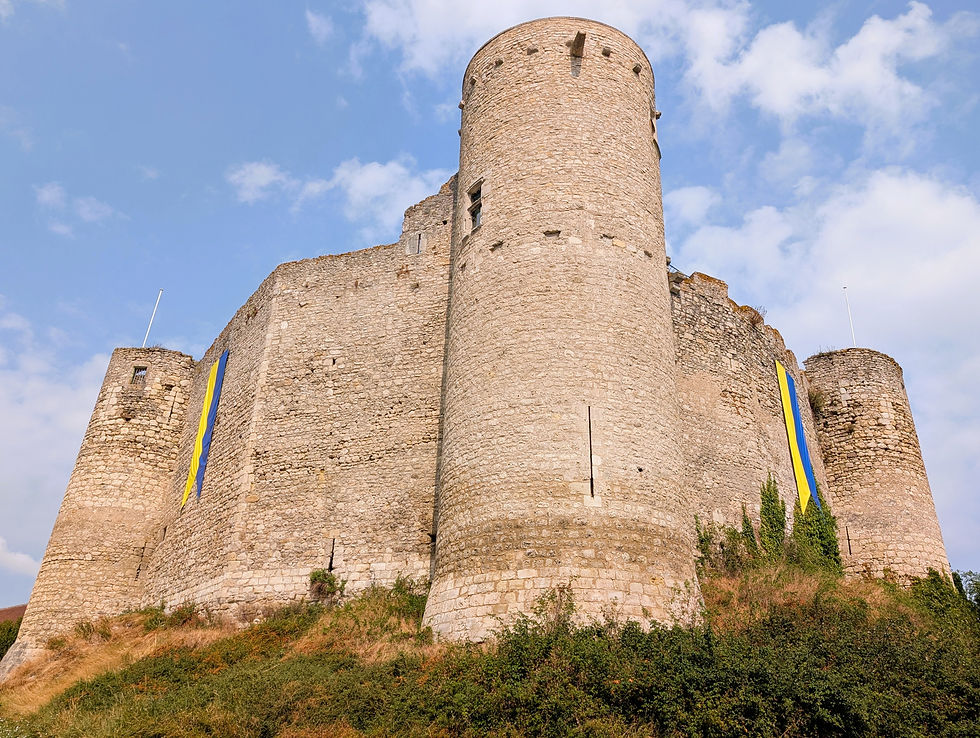
Tailor-Made Top Tip: Check their website to find out when the guided tours take place. Also make sure to walk around this charming village and head down to the Allier River for some beautiful views.
Billy Castle (Billy) Billy Castle (Billy) Billy Castle (Billy) Billy Billy Billy Billy Billy Billy Billy
If you enjoy this kind of curated travel insight, you can subscribe to receive future guides and inspiration.
Travelling to Vichy
Vichy has a central location in the Auvergne region and excellent rail connections. If you’re flying into Clermont‑Ferrand Auvergne Airport, you can take a short direct TER train from Aulnat Aéroport (the airport’s own rail stop) to Clermont‑Ferrand Gare in around 8 minutes. From there, frequent TER regional trains continue to Vichy, with journey times typically between 35–45 minutes. Although there is no direct airport‑to‑Vichy train, the connection is simple and efficient. There are also regular buses to and from the airport and Clermont-Ferrand Gare. Taxis are also available at the airport, although I found this to be quite an expensive, although more convenient, option.
Travelling from Paris is equally straightforward: direct trains from Paris‑Bercy take roughly 3 hours, making Vichy an ideal weekend escape. The station sits right in the centre of town — the heart of Vichy city — so most hotels and attractions are within easy walking distance.

If you prefer to drive, Vichy is well connected via the A71 and A89 motorways, and parking is generally manageable, with several car parks close to the thermal district. Once in the city, getting around is wonderfully simple: Vichy is compact, flat, and designed for strolling, with leafy promenades and riverside paths linking the main sights. Getting around is easy, but planning the most efficient way to experience Vichy’s attractions — especially when balancing opening hours, guided‑tour schedules, and nearby excursions — can take a little thought. Local buses make it easy to reach nearby towns such as Cusset and Billy, perfect for exploring medieval fortifications and castles beyond the spa district.
Tailor‑Made Top Tip: Book train tickets early during summer months—Vichy’s spa season can make services busy.
Allier River Allier River Allier River
How to Plan Your Time in Vichy
Ready for the good news? Vichy is wonderfully compact and walkable, which makes exploring easy — but turning a long list of attractions into a smooth, time‑efficient itinerary is where most travellers start to feel overwhelmed. The city naturally falls into a few “experience clusters”: the thermal district with its springs and spa heritage, the Belle Époque architectural zone, the cultural core around the opera house and museums, and the riverside parks that frame the Allier. These groupings make it possible to structure half‑day or full‑day plans without rushing, but the order in which you tackle them can dramatically affect how enjoyable your visit feels.
Parc des Sources Parc des Sources Parc des Sources
Most visitors underestimate how much time they’ll spend simply wandering Vichy’s parks, tasting the waters, or exploring exhibitions — and how opening hours, guided‑tour schedules, and weather can shift the balance between indoor and outdoor options. Add in nearby excursions like Cusset or Billy, and suddenly the “simple” task of planning becomes a puzzle of sequencing, pacing, and logistics. That’s exactly why curated itineraries exist: to remove the guesswork and ensure your time in Vichy feels effortless rather than fragmented.
If you’d prefer a trip that flows naturally — without the trial‑and‑error of building your own plan —request a fully bespoke itinerary designed around your interests. I create a limited number of bespoke itineraries each month to ensure every trip is properly tailored, so if you’re considering it, it’s always worth getting in touch early.

Quick Questions Answered
What is special about Vichy water? Vichy’s mineral water is naturally carbonated and rich in minerals, long celebrated for its digestive and therapeutic benefits.
Is Vichy good for spa lovers? Absolutely—Vichy is one of Europe’s historic spa capitals, offering thermal baths, mineral springs, and wellness treatments.
Where is Vichy France located? Vichy is in central France, in the Auvergne region, set along the Allier River.
Vichy Opera House Vichy Opera House Vichy Opera House
How to pronounce Vichy It’s pronounced “Vee‑shee.”
Is Vichy worth visiting? Yes—its spa heritage, Belle Époque architecture, riverside promenades, and cultural attractions make it a rewarding and relaxing destination.
What is Vichy famous for? Vichy is known for its thermal springs, Art Nouveau architecture, spa culture, and its role during World War II.
Source des Célestins Source des Célestins Source des Célestins
Why did Germany set up Vichy France? Germany established Vichy France in 1940 to administer the unoccupied zone through a French government that collaborated with the Nazi regime.
Who was the leader of Vichy France? Marshal Philippe Pétain served as the head of the Vichy government.
What happened to Vichy France after WWII? The regime collapsed in 1944, and France returned to a provisional government before transitioning to the Fourth Republic.
What about nearby excursions from Vichy? You can easily visit medieval Cusset, Billy Castle, the Auvergne volcanoes, and charming riverside villages across the region.
Centre Culturel de Vichy Centre Culturel de Vichy Centre Culturel de Vichy
How many days do you need in Vichy? Two to three days is perfect for exploring the springs, architecture, museums, and nearby towns.
Is Vichy walkable? Yes—Vichy is flat, compact, and designed for strolling, with most attractions within easy walking distance.
When is the best time to visit Vichy? Spring and early autumn offer the best weather, though summer is lively thanks to spa season and cultural events.
Is Vichy family‑friendly? Definitely—parks, riverside paths, and gentle walking routes make it great for families.
Parc des Sources Parc des Sources Parc des Sources
Is Vichy expensive? Vichy is generally affordable, with good‑value hotels, dining, and spa experiences compared to larger French cities.
Is Vichy France related to Vichy skincare products? Yes—the Vichy cosmetics brand takes its name from the town and was originally built around the same Vichy thermal spa water tradition.
Can you drink the water straight from the springs in Vichy? Yes—public fountains such as the Hall des Sources and Source des Célestins let you sample Vichy thermal spa water for free, straight from the source.
Église Saint‑Blaise de Vichy Église Saint‑Blaise de Vichy Église Saint‑Blaise de Vichy
Conclusion
Vichy surprised me — I went in expecting a pretty spa town and left with a much richer picture of Belle Époque architecture, Art Deco churches, surrealist museums, and a wartime history that this Vichy spa town confronts openly rather than glosses over. Whether you've got a long weekend or a few unhurried days, I hope this guide has given you a genuine feel for the best things to do in Vichy France, and the confidence to build your own version of the trip I had. And if you'd rather skip the planning and let someone who's actually walked these streets do it for you, you know where to find me.
Vichy Opera House Vichy Opera House Vichy Opera House
Hotels Vichy
Vichy offers an excellent range of accommodation, from elegant historic spa hotels to modern boutique stays and charming riverside properties. Because the city is compact and walkable, most hotels in Vichy France sit within easy reach of the thermal district, the Allier riverfront, and the main attractions. You’ll find everything from Belle Époque landmarks with grand interiors to contemporary wellness‑focused hotels that make the most of Vichy’s spa heritage. Prices are generally good value compared to larger French cities, and the variety of styles makes it easy to tailor your stay to your travel preferences — whether you want luxury, tranquillity, or a convenient base for exploring the Auvergne region.

Vichy’s flagship luxury hotel, offering direct access to the Célestins Spa, panoramic views over the Parc Napoléon III, and a full suite of wellness facilities. Ideal for spa lovers who want a premium experience. It's widely regarded as one of the finest Vichy spa hotels in the country.
A Belle Époque landmark with grand interiors, a beautiful outdoor pool, and a refined old‑world atmosphere. Perfect for travellers who want classic Vichy elegance close to the opera house and thermal district.

A friendly, well‑run boutique hotel with comfortable rooms, a quiet garden terrace, and an excellent location near the station and the main sights. Great for mid‑range travellers seeking charm and convenience.
Modern, spacious, and consistently well‑reviewed, with wellness facilities including a sauna and fitness room. A strong choice for visitors who want contemporary comfort within walking distance of everything.
A colourful, good‑value option with family‑friendly rooms and easy access to the riverfront and parks. Ideal for budget‑conscious travellers who still want a central location.
Vichy Opera House Vichy Opera House Vichy Opera House
Related Blog Posts
If you would like more information on the Auvergne region and how to visit this area, please view the Tailor-Made Itineraries posts below:
I'd love to hear from you — drop a comment below and tell me which of these Vichy spots you're most excited to visit first!
Don’t forget that Tailor-Made Itineraries specialises in creating expert, bespoke self-guided tours. If you'd like to explore Vichy as part of a professionally crafted itinerary, get in touch — we'd love to design something built around you.
Tailor-Made Itineraries posts every two weeks, and you can subscribe to the latest blog and newsletter here. Until then, happy reading and safe travels.
Barry
Contact Me: tailoritineraries@gmail.com
Tailor-Made Itineraries creates one-of-a-kind bespoke self-guided travel itineraries for adventurous and curious travellers.
These self-guided tours deliver a personalised and exciting holiday experience that takes the effort out of trip planning.
Vichy City Map


Comments